
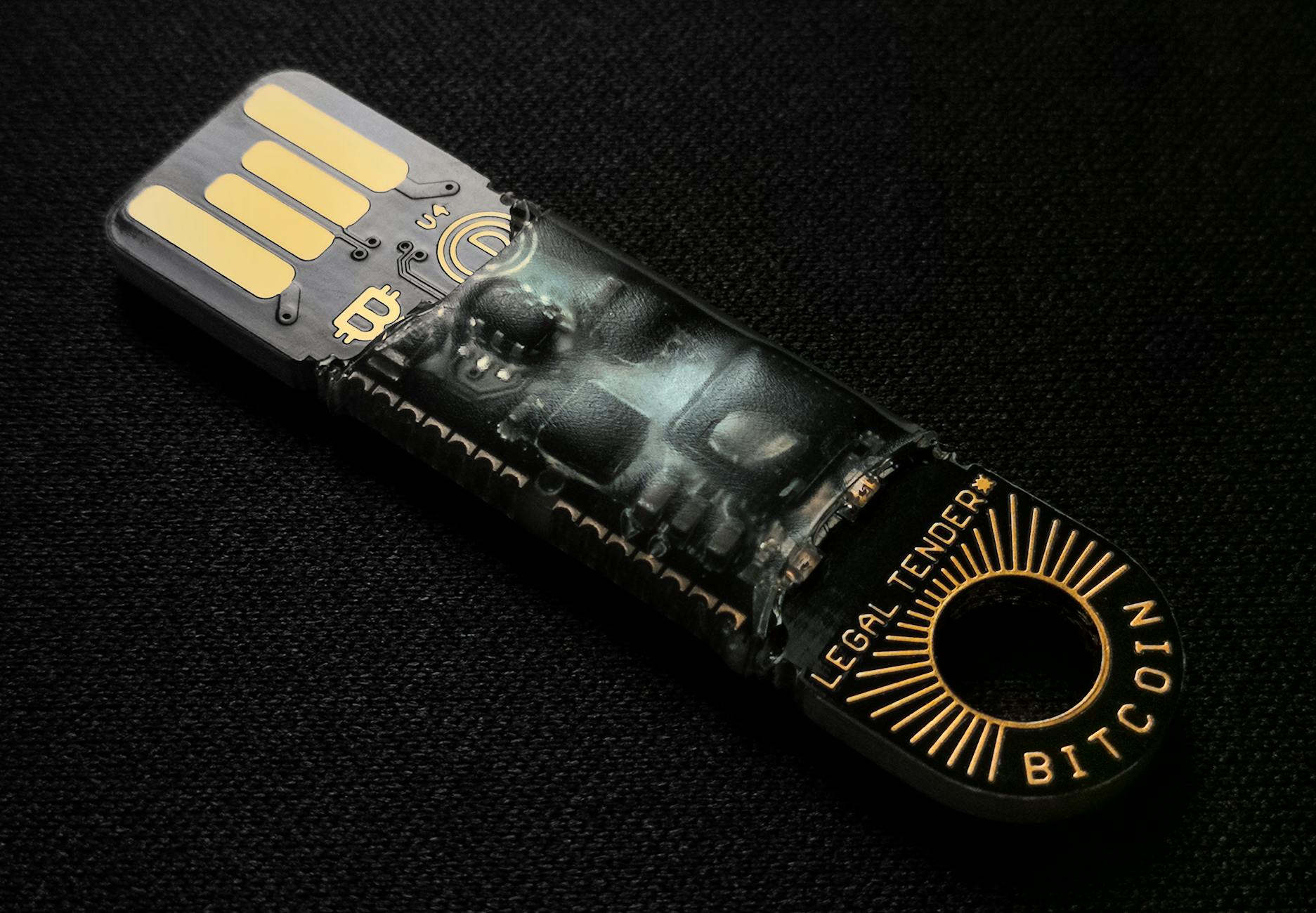
The hardware wallet vs software wallet debate is one of the most practical decisions a crypto holder faces. Buy a hardware device and your private keys stay offline, away from phishing attacks and exchange insolvencies. Use a software wallet and you get instant access from your phone or browser, with no upfront cost. Neither option is universally better. The right choice depends on how much you hold, how often you transact, and what risks you're willing to accept.
What each type of wallet actually does
A wallet doesn't store your crypto. It stores the private key that proves you own it. That distinction matters because it explains why the location of that key changes your risk profile entirely.
A hardware wallet is a physical device, typically USB-sized, that generates and stores your private key entirely offline. When you sign a transaction, the signing happens inside the device and the key never touches your internet-connected computer. Ledger and Trezor are the two dominant brands. Both sell devices in the AU$100–AU$300 range depending on the model.
A software wallet stores your private key on an internet-connected device: your phone, your computer, or a browser extension. MetaMask is the most widely used browser-extension wallet in the world, and it's free. Mobile wallets like Exodus and Trust Wallet fall into the same category. Software wallets are described as "hot" because they're always online.
Security: the core difference
Hardware wallets win on security. Full stop. A private key that never touches the internet cannot be exfiltrated by malware running on your computer. That's a structural advantage, not a marginal one. If your laptop is compromised while you're using a hardware wallet, an attacker can see your public address but cannot move your funds without physical access to the device and your PIN.
Software wallets are more vulnerable by design. The seed phrase (the 12 or 24 words that back up your key) is generated on and stored on an internet-connected device. Phishing attacks, clipboard hijackers, and malicious browser extensions are all live threats. MetaMask, for instance, has been the target of repeated phishing campaigns. Our MetaMask review for Australian holders covers exactly which attack vectors to watch for and how to reduce your exposure without switching wallets entirely.
That said, software wallets aren't reckless by default. On a clean, dedicated device with no other software installed, a hardware-grade seed phrase backup, and no browser extensions, a software wallet carries manageable risk for small to moderate balances. The danger is complacency: people install a dozen extensions, reuse passwords, and then hold six figures on MetaMask.
Cost and convenience trade-offs
Software wallets cost nothing upfront. Hardware wallets cost real money, and you should only buy directly from the manufacturer (Ledger's official site or Trezor's official site) to avoid tampered devices. A Ledger Nano X retails for around AU$199. A Trezor Model T sits at roughly AU$280 in Australia as of 2026.
Convenience runs the other way. Software wallets let you approve a DeFi transaction in under ten seconds from your phone. Hardware wallets require the device to be physically present, connected, and unlocked, which adds friction that some users find intolerable when actively trading or participating in DeFi protocols.
For Australian investors comparing specific devices, our Ledger vs Trezor comparison goes deep on price, coin support, screen design, and the open-source question that divides serious security researchers.
Which situation calls for which wallet
The honest answer is that most Australian crypto holders need both. Here's how to think about the split:
- Hardware wallet: long-term holdings, any amount over AU$2,000 that you won't touch for weeks or months, SMSF crypto holdings, and anything you'd be devastated to lose.
- Software wallet: day-to-day DeFi activity, small amounts for interacting with dApps, bridging tokens, or testing new protocols before committing serious capital.
SMSF trustees in particular should take the hardware-wallet default seriously. The ATO expects trustees to document their custody arrangements, and using a self-custody hardware wallet with a documented seed-phrase backup is far easier to explain to an auditor than "it was on MetaMask."
The seed phrase is the real risk factor
Hardware or software, the seed phrase is where most Australians lose money. The device is replaceable. The seed phrase is not. If your 24-word recovery phrase is stored in a screenshot on iCloud, a note in your email drafts, or written on a Post-it stuck to your monitor, the security benefit of your hardware wallet is close to zero.
Best practice is a physical backup: write the phrase on paper (or stamp it into steel for fire resistance) and store it somewhere separate from the device. Some Australians keep one copy at home and one in a bank safety deposit box. What you don't do is photograph it or store it in any cloud service.
ATO and tax implications
Moving crypto from an exchange to either type of self-custody wallet is not a taxable event under current ATO guidance. You're not disposing of the asset; you're moving it to a different address you control. But transfers between wallets do create a record-keeping obligation. Your cost basis travels with the asset, and if your tax software can't see both addresses, it may misreport a disposal.
This is particularly important when moving funds between a hot wallet used for DeFi and a cold hardware wallet used for storage. Your crypto tax calculator needs to know both addresses belong to you, or it will treat the transfer as a sale. Connecting all your wallet addresses in a single tool from day one saves significant headaches at EOFY.
The bottom line
If you hold more than a few thousand dollars in crypto and you're not actively trading it every day, a hardware wallet is the responsible choice. The AU$150–AU$280 cost is trivial insurance against exchange hacks, phishing, and the kind of malware that now specifically targets crypto holders. Software wallets serve a real purpose for interacting with dApps and managing smaller working balances, but they shouldn't be the final resting place for significant holdings.
Buy hardware directly from the manufacturer. Write your seed phrase down on paper. Store it somewhere sensible. Then connect both your hardware and software wallet addresses to your crypto tax tool so your cost basis records stay clean for the ATO.